

In Part 1, we explored how fascia functions as an electrical communication network — responsive to light, pressure, emotion, and nervous system tone.
Now we go deeper.
If fascia is an electrical highway, the next question becomes:
What strengthens it — and what disrupts it?
The answers bring us to circadian rhythm, hydration, trauma patterns, and the subtle field around the body.
Fascia & Circadian Rhythm
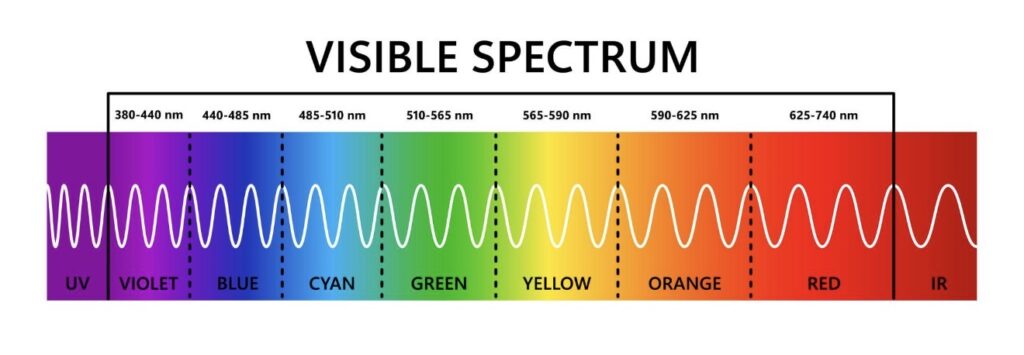
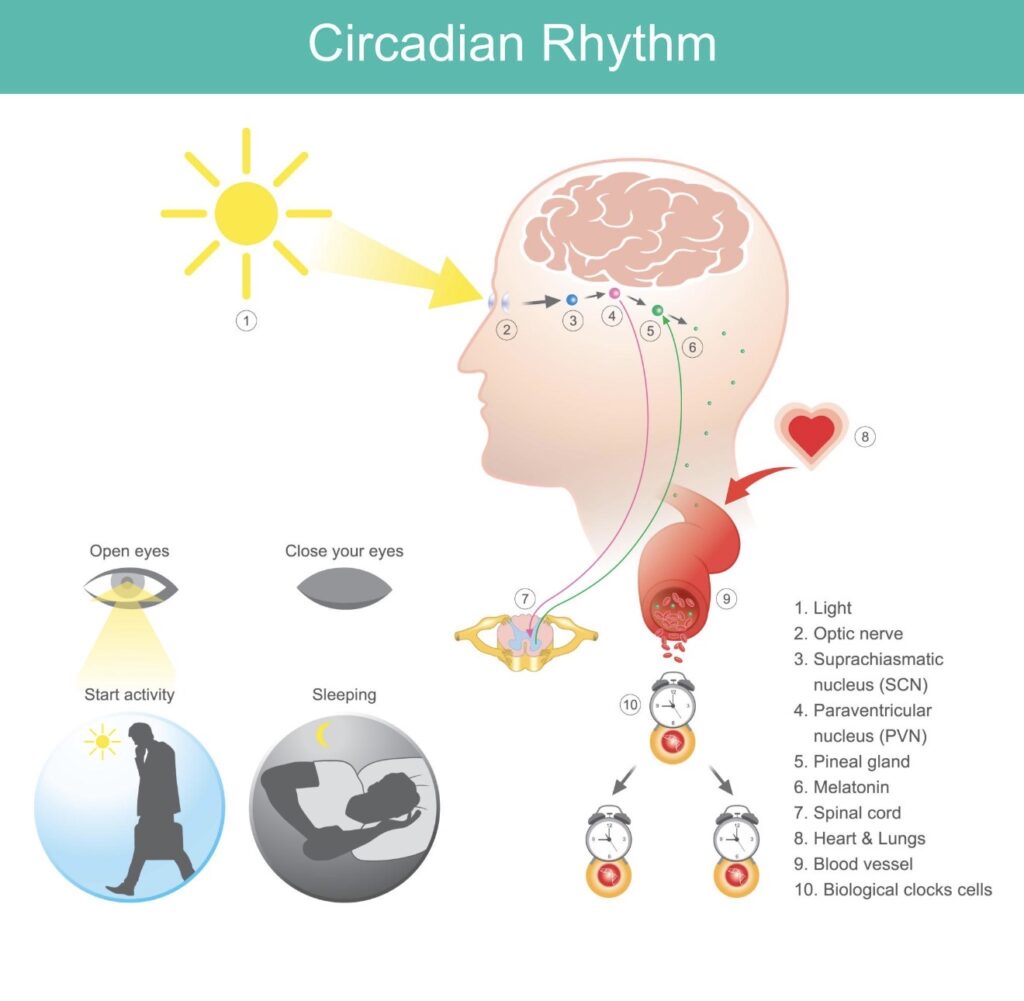
Fascia is circadian-responsive tissue.
That means it responds to:
- Sunrise light
- Infrared wavelengths
- Daily temperature variation
- Darkness at night
- Melatonin production
Infrared light from the sun helps structure water inside the body. As discussed in Part 1, structured water creates electrical potential along collagen fibers.
Morning light exposure may support:
- Mitochondrial efficiency
- Hydration layering
- Electrical charge stability
- Nervous system alignment
When circadian rhythm is disrupted — late-night screen exposure, artificial light at night, insufficient natural light during the day — fascia may lose part of its electrical coherence.
This is not theoretical.
In my testing, I often see:
- Reduced energetic coherence
- Increased sympathetic dominance
- Lower parasympathetic recovery markers
And frequently, the root is circadian misalignment.
Before supplements.
Before protocols.
Light timing.
Hydration: More Than Drinking Water
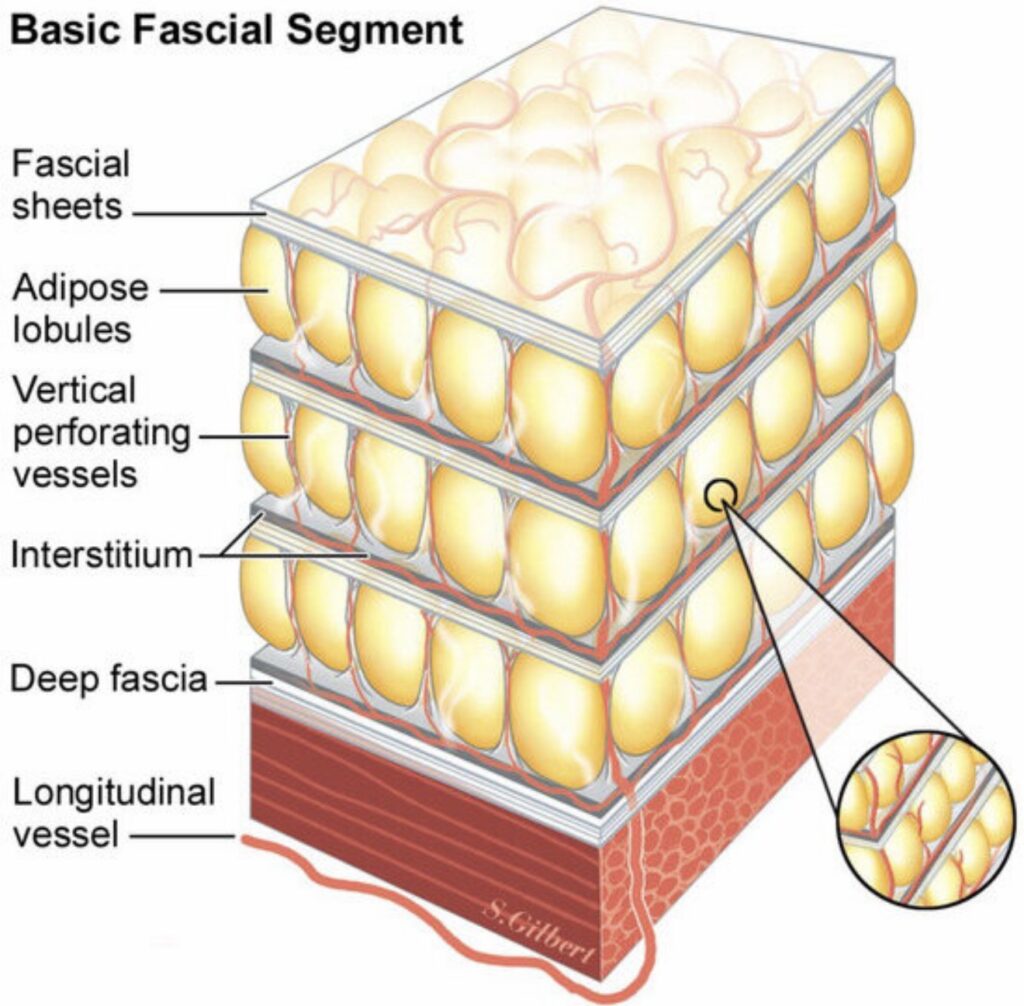
Hydration of fascia is not only about how much water you drink.
Fascial cells release hyaluronic acid in response to mechanical stimulation. Hyaluronic acid binds water and creates glide between tissue layers.
Movement supports hydration.
Examples include:
- Walking
- Gentle bouncing
- Stretching
- Breath-led movement
- Myofascial release
Stillness without circulation can reduce fluid dynamics.
Aggressive force is not always necessary.
Often, rhythm and repetition work better than intensity.
This is why I encourage daily movement patterns rather than extreme workouts layered onto an already stressed nervous system.
Trauma, Scars & “Interference Fields”
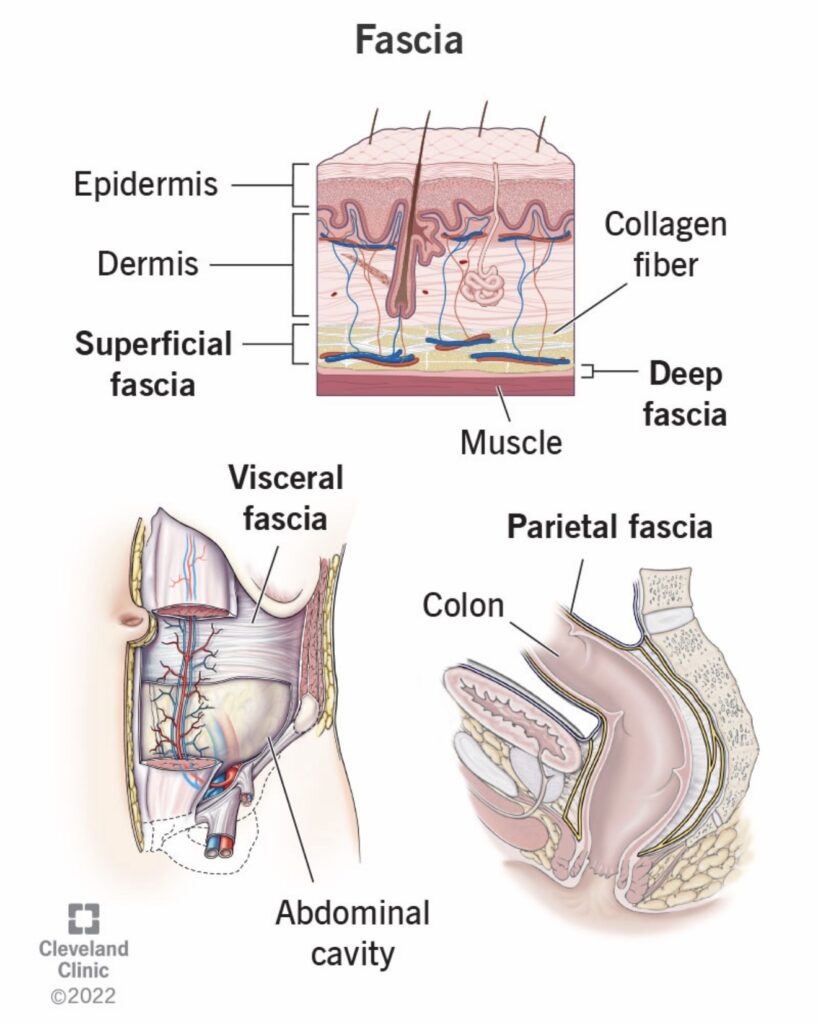
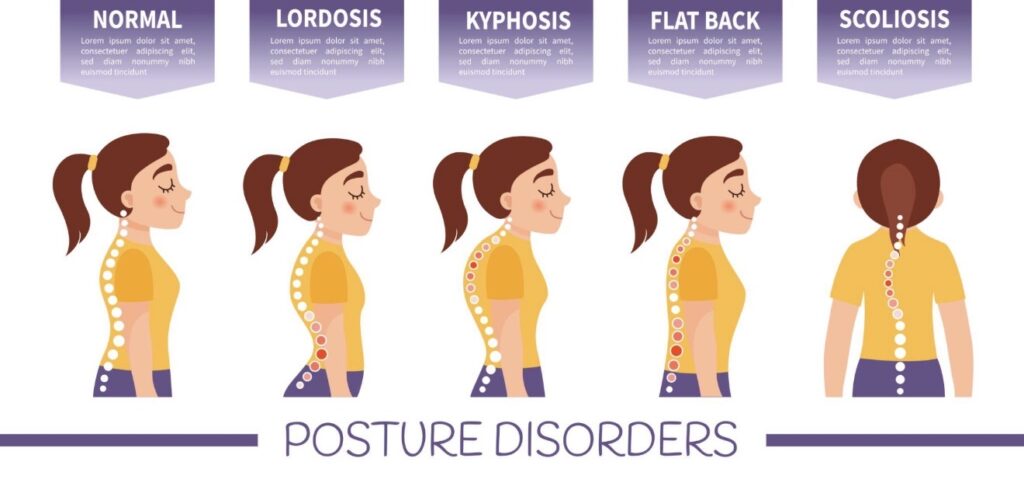
Injuries, surgeries, and chronic stress can create altered fascial patterns.
From a bioelectric perspective, these areas may act as zones where:
- Electrical flow is altered
- Fluid movement is restricted
- Tension patterns persist
Some practitioners refer to these as “interference fields.”
In practice, I often observe that clients with:
- Chronic digestive dysfunction
- Hormonal instability
- Autoimmune terrain
- Lymphatic stagnation
also show:
- Postural distortion
- Scar history
- Chronic sympathetic dominance
The body adapts to stress.
But adaptation can become rigidity.
The key is not forcing release —
but restoring safety.
Gentle fascial work paired with:
- Nervous system regulation
- Breath coherence
- Emotional awareness
- Circadian alignment
often produces more sustainable change than aggressive mechanical approaches alone.
The Biofield & the Question of Subtle Energy
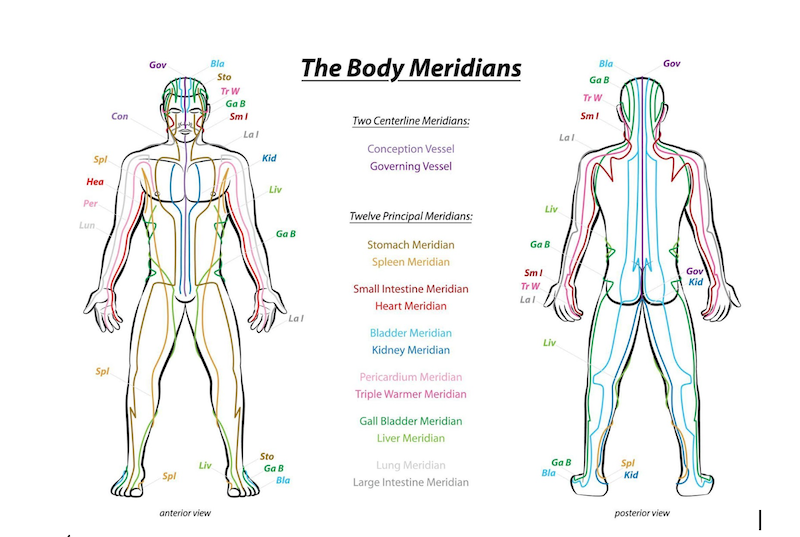
Some researchers propose that fascia may interface with what is commonly called the biofield.
Currently, science defines the biofield primarily as electromagnetic in nature. However, many traditions and emerging researchers suggest there may be additional layers of subtle energy not yet fully measurable.
Fascia is sensitive to:
- Electrical gradients
- Light frequencies
- Sound vibration
- Mechanical pressure
Could it also serve as the interface between the measurable and the subtle?
We do not yet fully know.
But clinically, when emotional coherence shifts —
posture changes.
Breath changes.
Electrical patterns change.
That is observable.
Humility is essential here.
Not everything can yet be quantified.
Yet the body consistently responds to coherence.
How I Integrate This in Practice
In my assessments, I look for patterns of:
- Autonomic imbalance
- Emotional frequency disruption
- Reduced energetic coherence
- Fluid stagnation
- Mitochondrial inefficiency
When I see these patterns, I ask:
Is this chemistry?
Or is this communication?
Often, it is communication.
So instead of immediately pushing pathways, I prioritize:
- Light timing
- Nervous system regulation
- Gentle movement
- Breath work
- Mineral support for membrane stability
- Structured hydration
- Emotional coherence practices
Only then do I layer additional support.
Because if fascia is the highway,
and mitochondria are the generators,
and membranes are the gates,
then forcing chemistry into a dysregulated electrical terrain may not create sustainable change.
Restoring flow does.
The Bigger Perspective
Fascia may be:
- A structural matrix
- A hydration system
- A nervous system interface
- A circadian sensor
- An electrical communication network
When we view the body through this lens, we move from symptom management toward terrain restoration.
Healing becomes less about suppression.
More about coherence.
Final Reflection
Fascia teaches us something profound:
The body is not separate systems stitched together.
It is a unified field of communication.
Light influences water.
Water influences charge.
Charge influences structure.
Structure influences emotion.
Emotion influences nervous system tone.
And the cycle continues.
When we restore rhythm, safety, and electrical flow —
the body often remembers how to regulate.
Not because we forced it.
But because we removed interference.
This article is educational and not intended to diagnose or treat medical conditions. Always consult a qualified healthcare professional for personal medical concerns.