
What I Learned Studying with Dr. Catherine Clinton
Recently, I had the privilege of being taught by Catherine Clinton in a fascia and quantum biology class that profoundly expanded the way I understand the human body.
What she articulated so clearly is something I’ve long sensed in my clinical work:
The body is not mechanical first.
It is electrical first.
And fascia may be one of the primary communication networks through which that intelligence moves.
Let’s begin there.
Fascia: More Than Connective Tissue
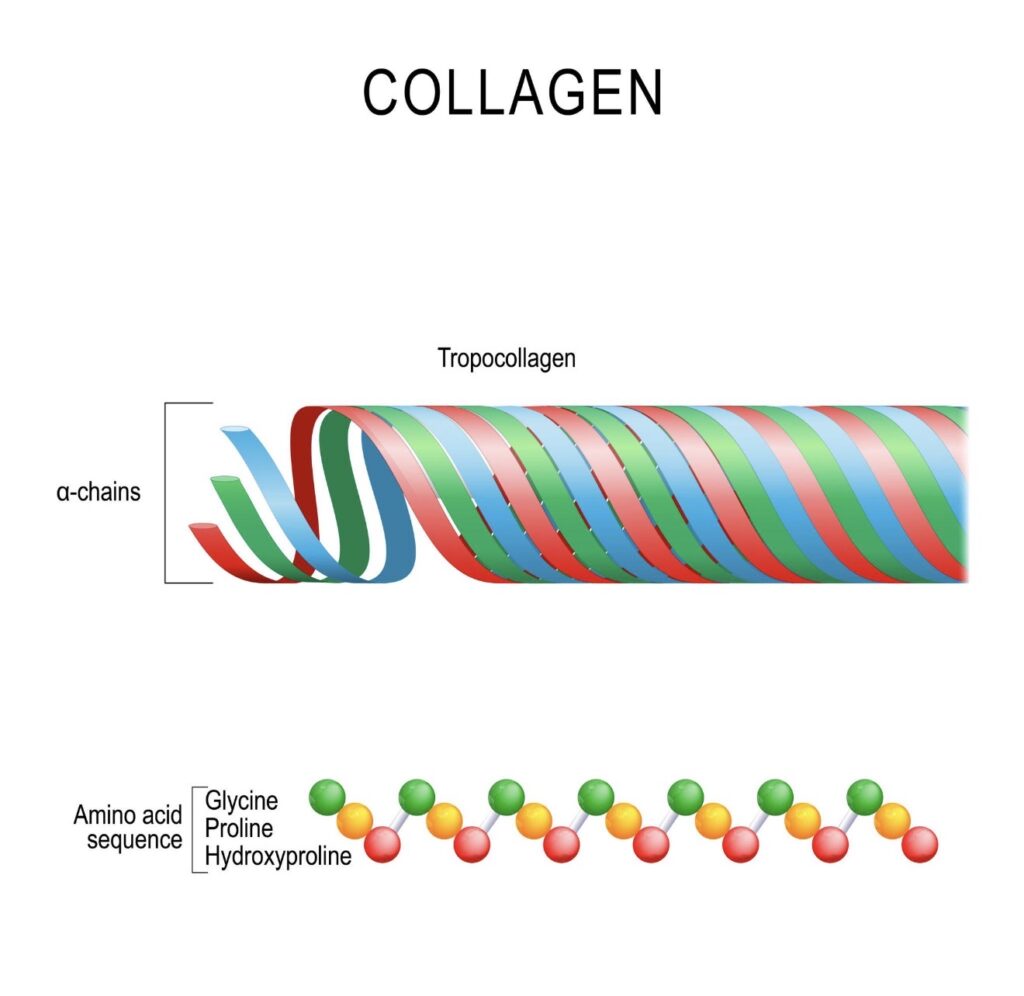
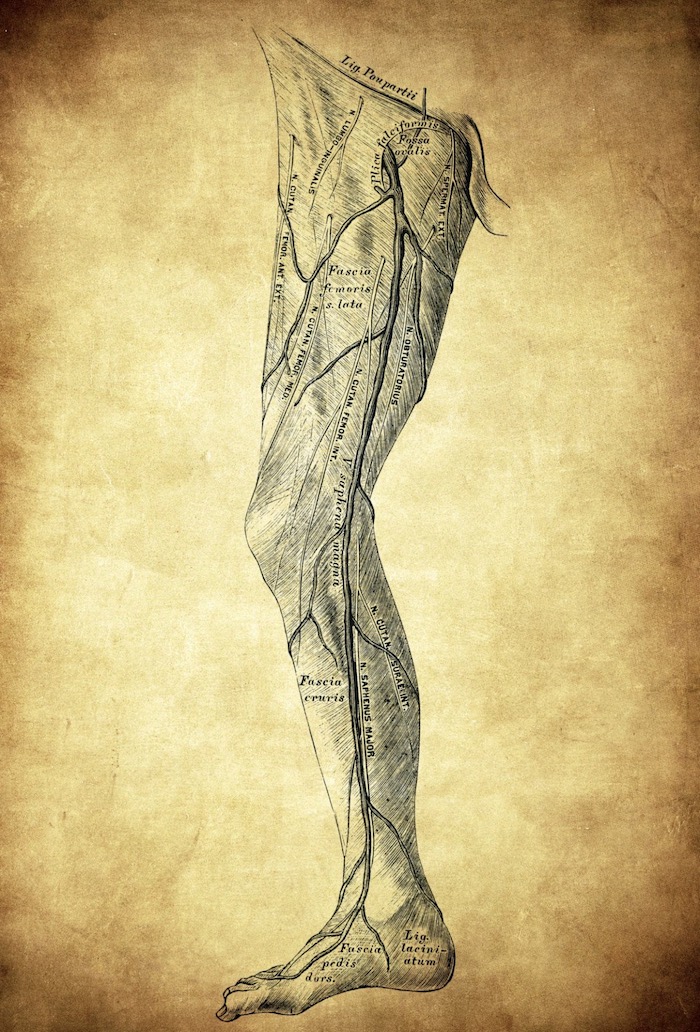
Fascia is a body-wide web of connective tissue made primarily of collagen.
It surrounds:
- Muscles
- Organs
- Blood vessels
- Nerves
- Bones
- Even individual cells
For decades, fascia was considered structural packaging — something to move aside in order to reach “real anatomy.”
Now we know better.
Research suggests fascia is:
- Semiconductive (it carries electrical charge)
- Piezoelectric (pressure creates electricity)
- Hydration-dependent
- Circadian-responsive
- Interconnected with the nervous system
This means fascia is not passive.
It is dynamic, responsive, and electrically active.
The Electrical Nature of Fascia
Collagen forms a triple helix structure. These microscopic tubules are lined with structured interfacial water — a concept extensively studied by researchers like Gerald Pollack.
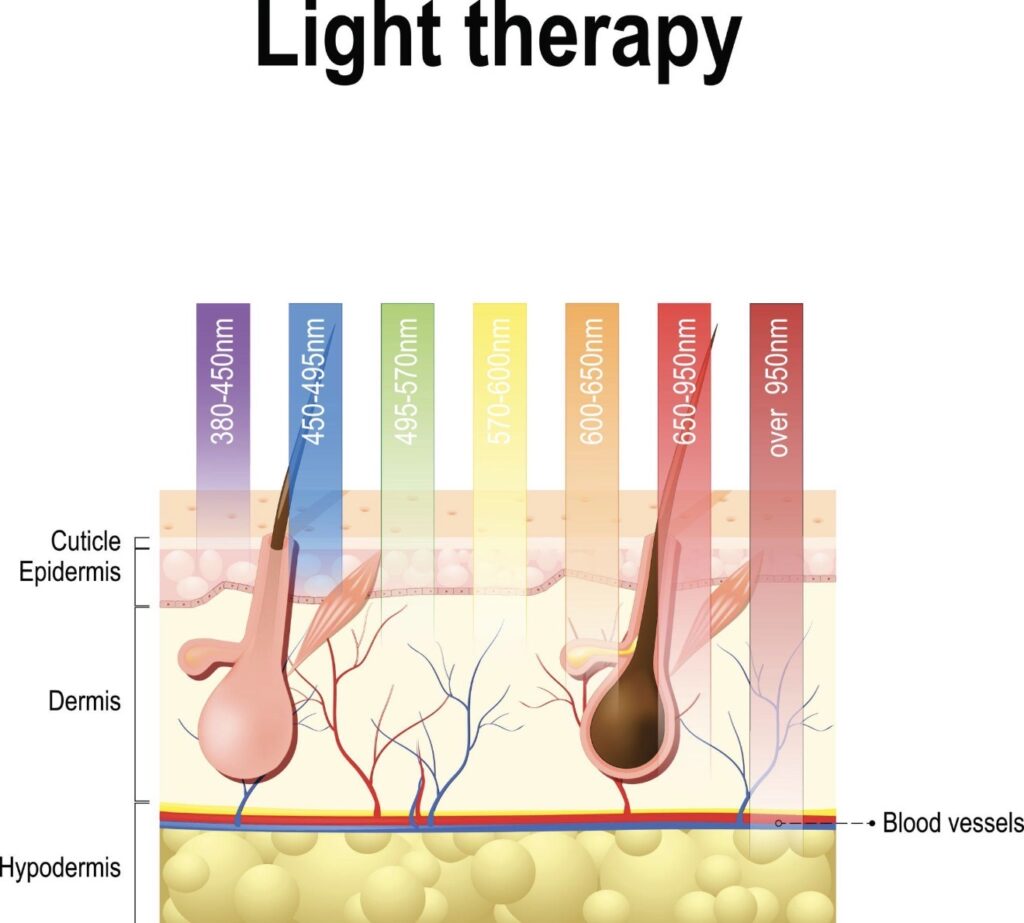
When exposed to infrared light, this water:
- Becomes more ordered
- Develops a negative charge
- Separates electrical potential
This creates what some researchers describe as a natural “water battery.”
Now imagine millions of these microscopic charged structures woven throughout the body.
Fascia becomes:
- A conductor
- A signaling network
- A fluid transport system
- A bioelectric highway
This helps explain why touch, pressure, movement, acupuncture, and even emotional shifts can produce immediate systemic responses.
The body is responding electrically — not only chemically.
Fascia & Mitochondria: Light, Voltage and Energy
Fascia is rich in mitochondria.
Mitochondria respond to:
- Red and infrared light
- Temperature shifts
- Electrical gradients
- Circadian timing
Emerging research shows mitochondria emit ultra-weak light (biophotons). These emissions appear to influence neighboring cells — even without direct chemical contact.
This shifts our model of physiology.
Communication may occur through:
- Light
- Electrical charge
- Proton flow
- Structured water dynamics
As Dr. Clinton beautifully stated in class:
“The body is an antenna and a transducer. Waves of information become biology.”
This perspective changes how we approach healing.
Fascia, Emotion & the Nervous System
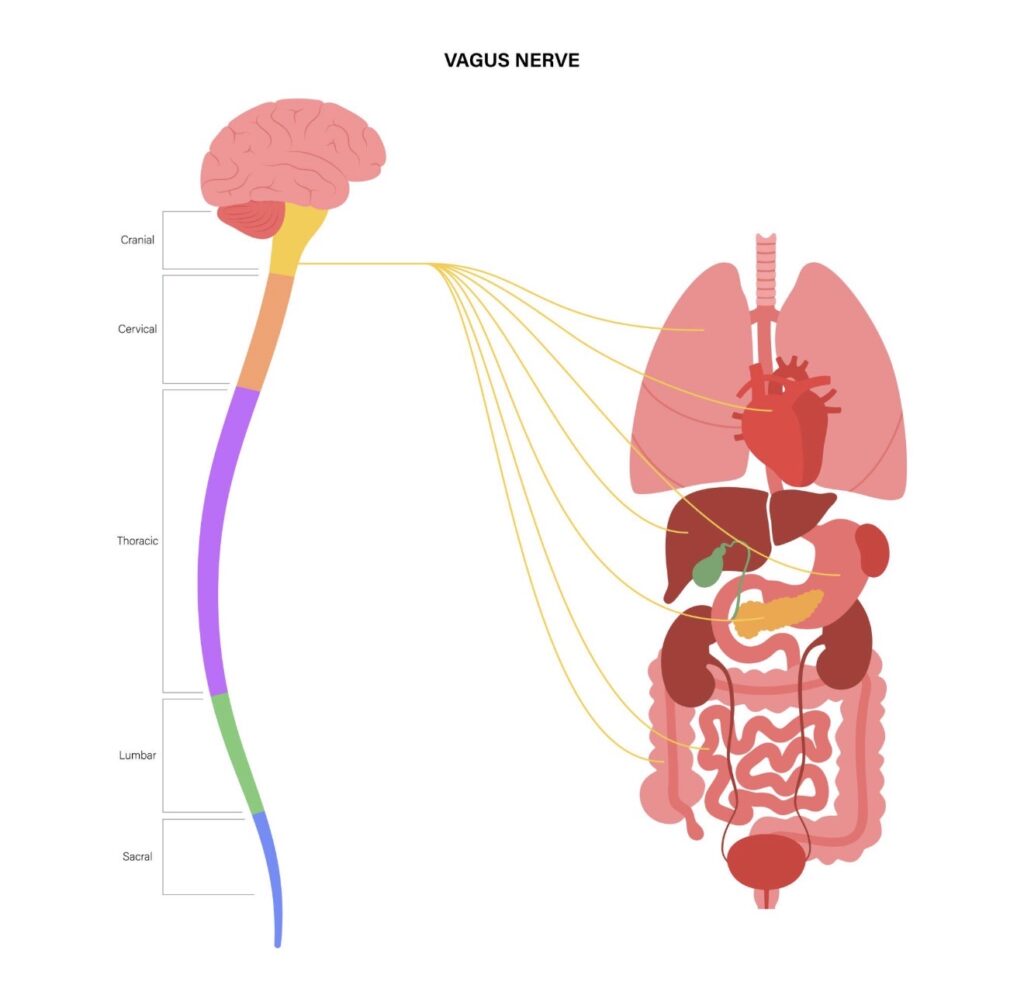
Fascia is intimately connected to the autonomic nervous system.
Research associates fascial adhesions — particularly in areas like the trapezius and occipital region — with:
- Chronic stress patterns
- Anxiety
- Depression
- Reduced vagal tone
Gentle fascial release has been associated with:
- Improved heart rate variability
- Increased parasympathetic activation
- Better nervous system regulation
From a polyvagal lens, this makes sense.
The body stores patterns.
Posture reflects emotional history.
Muscle guarding reflects perceived safety.
Breath patterns reflect nervous system tone.
When fascia softens, the nervous system often recalibrates.
And this is where my clinical work intersects directly with this understanding.
How This Relates to the Way I Test the Human Body
In my practice, I use biofeedback and energetic assessment tools such as:
- AO frequency scanning
- Bio-Well electrophotonic imaging
- Circadian rhythm analysis
- Mitochondrial and membrane assessments
These tools do not diagnose disease.
They evaluate patterns:
- Coherence vs. incoherence
- Sympathetic vs. parasympathetic dominance
- Electrical stability
- Fluid dynamics
- Stress load
When I see:
- Irregular autonomic regulation
- Emotional frequency imbalance
- Reduced energetic coherence
- Lymphatic congestion patterns
- Mitochondrial inefficiency
I now interpret them through a fascial lens as well.
Because fascia is not separate from:
- Nervous system tone
- Structured water quality
- Light exposure
- Trauma history
- Postural adaptation
- Cellular membrane integrity
In many clients, what appears as “hormonal imbalance” or “detox burden” may actually reflect:
Chronic sympathetic dominance + fascial tension + circadian disruption.
This is why I never look at a single system in isolation.
The terrain is electrical first.
And fascia may be one of the primary regulators of that terrain.
Where This Leads Next
Understanding fascia as:
- Electrical
- Light-responsive
- Emotion-sensitive
- Circadian-driven
opens a new layer of inquiry.
In Part 2, we will explore:
- Fascia and circadian rhythm
- Hydration beyond drinking water
- Trauma, scars and interference fields
- The biofield question
- Practical ways to restore coherence
And most importantly:
How we can intentionally restore electrical flow, emotional regulation, and structural integrity through a layered, terrain-based approach.
Because healing is not about forcing chemistry.
It is about restoring communication.
And fascia may be the bridge.
This article is educational in nature and not intended to diagnose or treat medical conditions. Always consult a qualified healthcare professional for personal medical concerns.